


#3: ICE-S (1998)
ICE-S was designed not for passengers, but for precision diagnostics at high speed. Sensors embedded throughout the train monitored tracks, power systems, and signaling in real time. Engineering focused on measurement accuracy at extreme velocities. The train ensured safety for future commercial operations. Data collection became as critical as propulsion. ICE-S allowed Germany to maintain reliability at scale. Speed testing turned into a science of prevention.
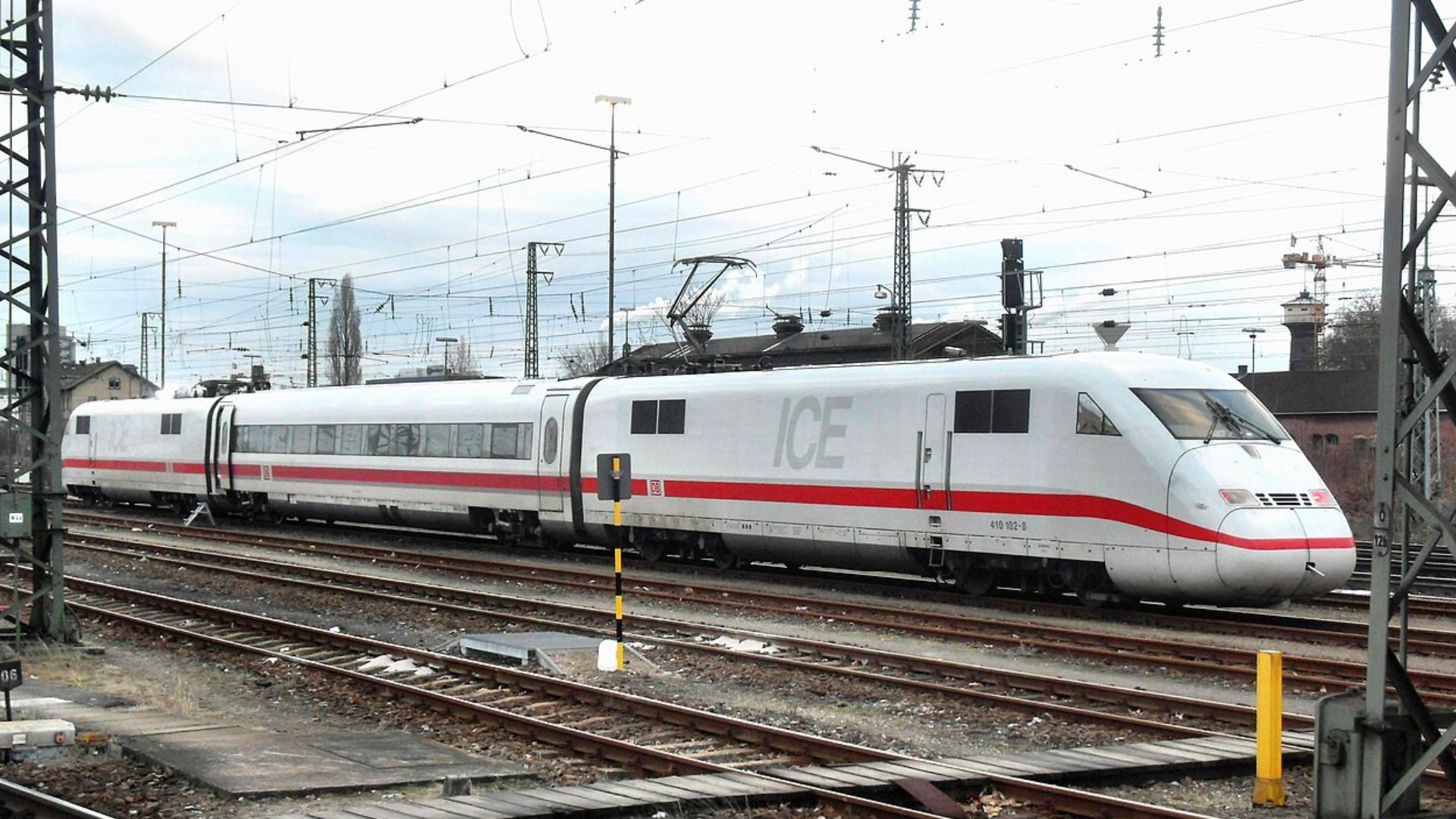
provided by constative.com