

Walk into an American grocery store from several decades ago and the shelves might look familiar, but the experience could feel surprisingly different. There were no barcode scanners speeding products across the register, customers routinely pulled out checkbooks to pay for dinner, and small pieces of paper could eventually earn a family anything from a toaster to a new set of dishes. Employees also performed jobs that technology, changing labor costs, and self-service gradually reduced or eliminated. Many of these routines disappeared so quietly that shoppers who grew up with them may not have noticed when they made their final trip through the checkout line. Others survive in scattered stores, reminders of an era when buying groceries involved considerably more human interaction than it often does today. Keep reading and see which forgotten supermarket sights, sounds, and rituals instantly bring back memories of the way Americans once shopped.
#1: Employees Stamping Prices on Individual Products
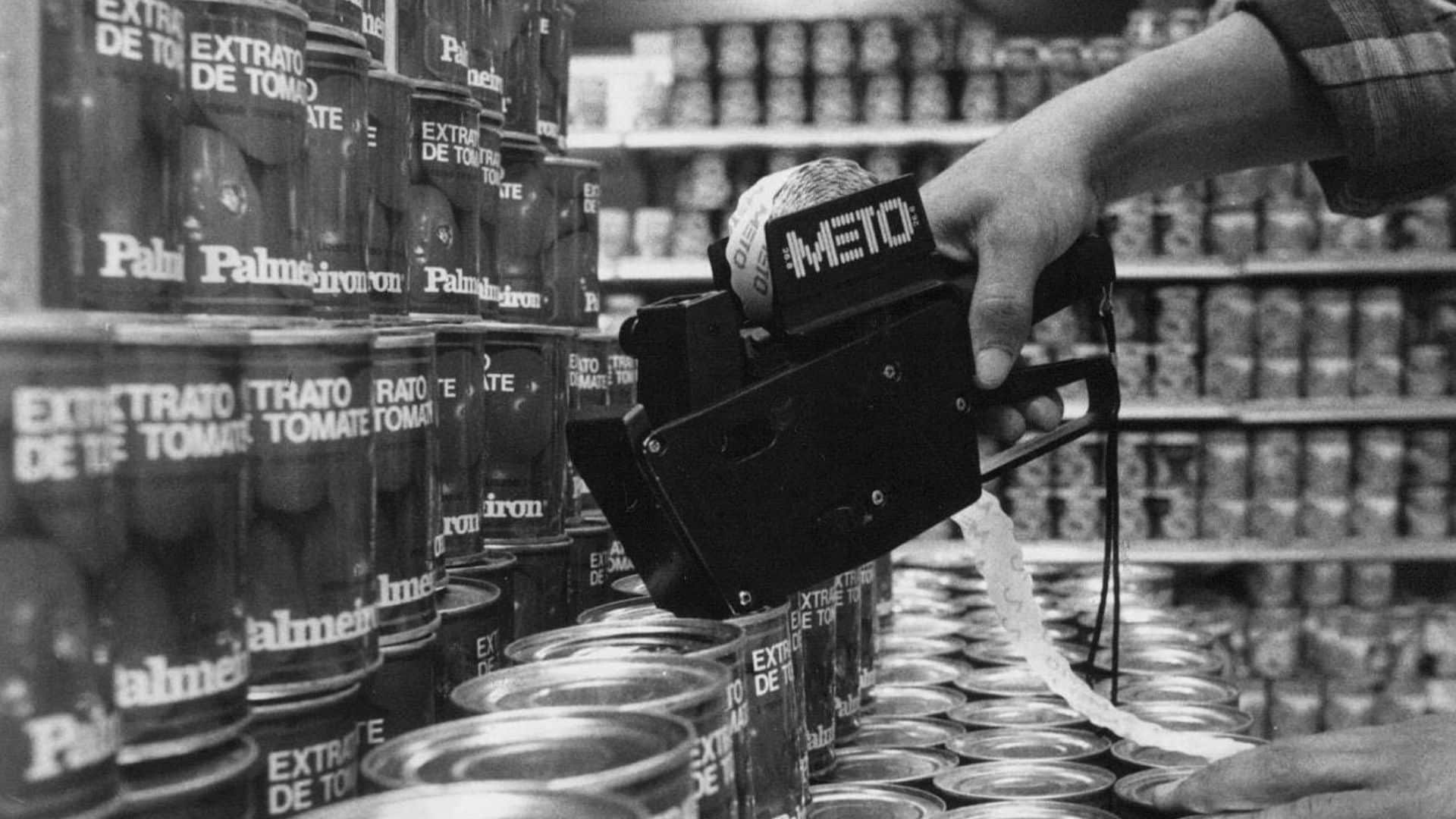
Before barcodes became standard, the price of a grocery item usually had to appear somewhere customers and cashiers could actually see it. Store employees spent hours marking cans, boxes, jars, and other merchandise with small adhesive labels or handheld pricing guns that stamped the cost directly onto a sticker. Anyone who worked in retail during the period may remember the repetitive click of those devices as workers moved through newly stocked shelves. Changing a price was far more labor-intensive than updating a number in a central computer system because employees might need to relabel every affected product individually. The little stickers also created an unexpectedly useful record after customers brought their purchases home, since the original price could remain attached to a can or package for months or years. Universal Product Code barcodes began transforming American retail during the 1970s, allowing stores to connect a product identifier with prices stored electronically. As scanning systems spread, individually pricing ordinary packaged goods became increasingly unnecessary.