

A finished classic can make its creation seem almost inevitable, as though the author always knew exactly what the story would become. Literary history tells a much messier story. Some celebrated books emerged from nightmares, financial trouble, family conversations, environmental research, childhood experiences, or ideas scribbled down almost absentmindedly. In several cases, the work readers recognize today bears little resemblance to what the writer originally intended to create. Those unexpected beginnings offer a fascinating glimpse into creativity before the masterpiece existed. Keep reading to discover the strange circumstances, personal experiences, and chance moments that helped turn ordinary sparks of inspiration into books that generations would continue reading.
#1: Frankenstein Began With a Ghost-Story Challenge — Frankenstein (1818)
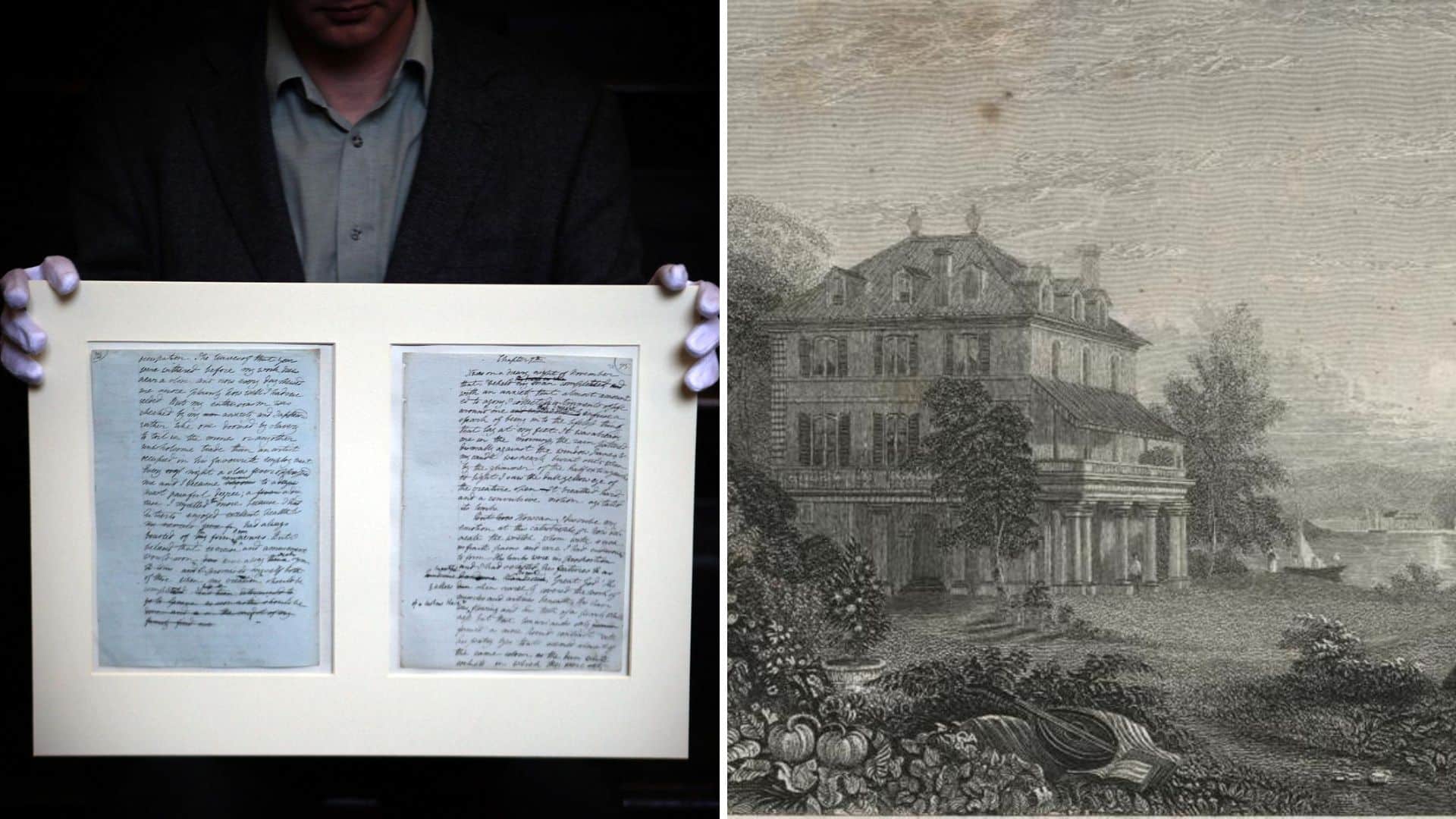
Mary Shelley’s Frankenstein emerged from an unusually gloomy summer spent near Lake Geneva in 1816. Bad weather repeatedly kept Shelley, Percy Bysshe Shelley, Lord Byron, and their companions indoors, where discussions turned toward supernatural literature and experiments involving the possibility of reanimating life. Byron eventually proposed that members of the group write their own ghost stories, giving the young Mary an unexpected creative challenge. After initially struggling to find an idea, she experienced a vivid waking vision involving a scientist horrified by the creature he had brought to life. That image became the foundation for Victor Frankenstein and his extraordinary experiment. What began as entertainment among friends ultimately developed into Frankenstein (1818), a novel that helped establish many of the ideas later associated with modern science fiction.