

School taught the Salem witch trials as a dusty chapter from a barely imaginable past. But the story has teeth. It never really goes away. Salem is not actually about witches. It’s a blueprint for how a community eats itself alive, how fear chews up common sense and spits out the bones, and how perfectly ordinary people will do monstrous things when they’re convinced they’re on the side of angels. The details from 1692 hit uncomfortably close to home because the pattern doesn’t just repeat; it struts back in with a fresh coat of paint every few decades. So before writing it off as ancient history, think again. The witch hunt never left. It just learned to wear a different face.
#1: Fear Beats Reason
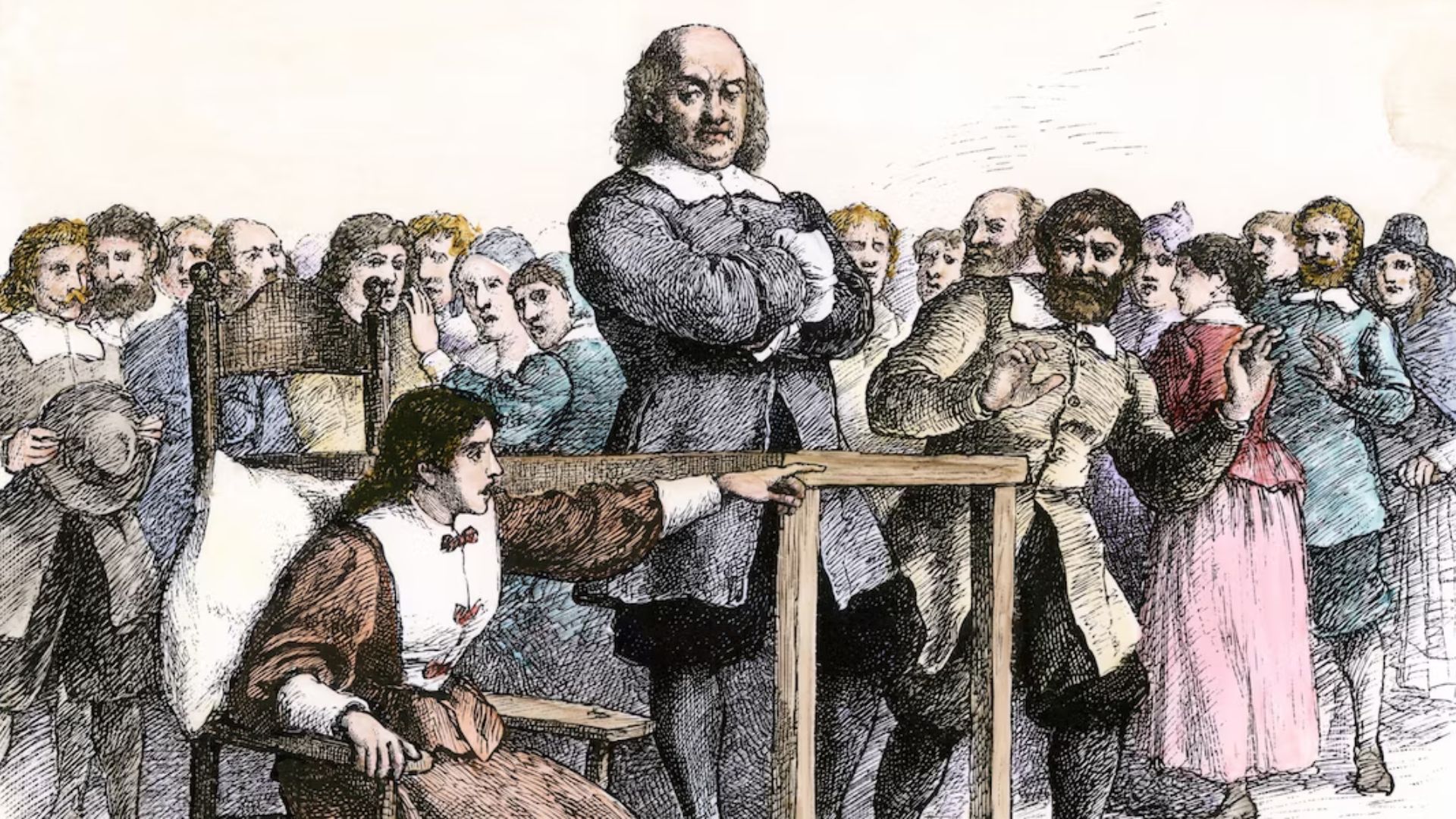
In January 1692, two girls in Salem Village started acting strangely. Betty Parris and Abigail Williams were having fits, screaming, and twisting their bodies into unnatural positions. A local doctor, likely William Griggs, was called in. When he could find no physical cause for their torment, he made a fateful diagnosis: the girls were bewitched. That single word was all it took. The diagnosis from a figure of authority gave the community’s anxieties a name and a target. Panic took hold, spreading through the tight-knit town like a fever. Before anyone could offer a different explanation, the terror had already set its own course.