

For decades, late-night television seemed to belong to the same small circle of hosts. The evening news ended, the local station identification appeared, and viewers settled in for a familiar monologue, a few celebrity interviews, and perhaps a musical guest before bedtime. However, behind that comfortable routine, networks and independent stations were constantly searching for someone new. Famous comedians, radio personalities, game show hosts, actors, athletes, and even presidential relatives were handed desks of their own. Some programs tried thoughtful conversation. Others filled the studio with music, comedy sketches, unusual sets, or younger voices rarely represented after 11 p.m. A few were respectable shows caught in poor time slots, while others simply never discovered what they wanted to be. Even strong reviews could not always compensate for weak affiliate support or competition from an established favorite. These programs may have disappeared, but each one left behind a curious piece of television history and a reminder that succeeding after dark has never been as easy as it looked from the sofa.
#1: The Joey Bishop Show: A Familiar Face in a Changing Era
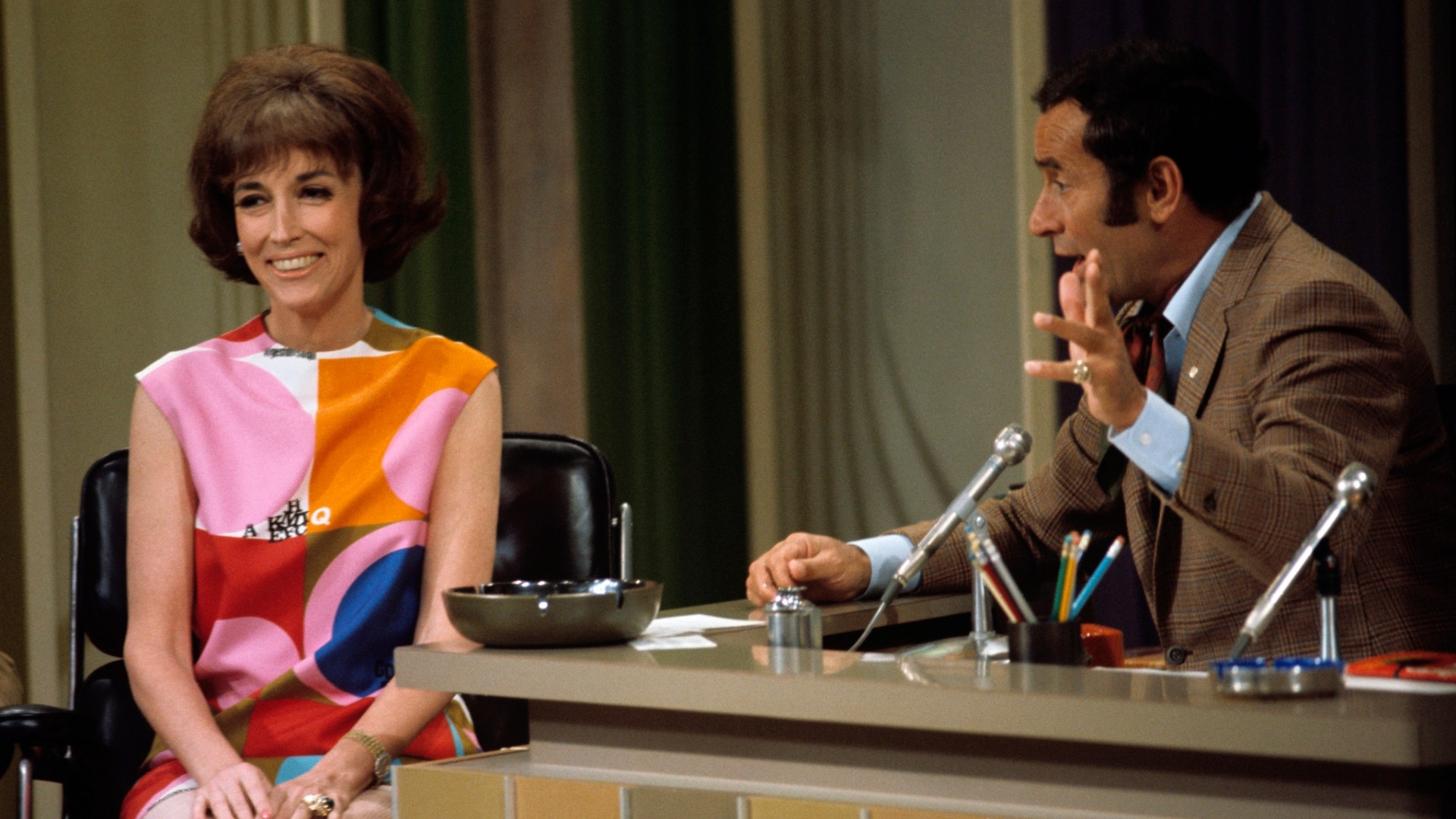
For viewers who already knew Joey Bishop from his Rat Pack appearances with Frank Sinatra, Dean Martin, Sammy Davis Jr., and Peter Lawford, seeing him behind a late-night desk did not feel like a great leap. ABC introduced The Joey Bishop Show (1967) as an alternative to Johnny Carson, hoping Bishop’s dry humor and relaxed celebrity conversations would appeal to people seeking something less polished and more informal. He rarely seemed desperate to command the room, which some audiences found refreshing, though that same low-key manner could make the program feel too quiet beside Carson’s confident production.