

#20: Jewelry
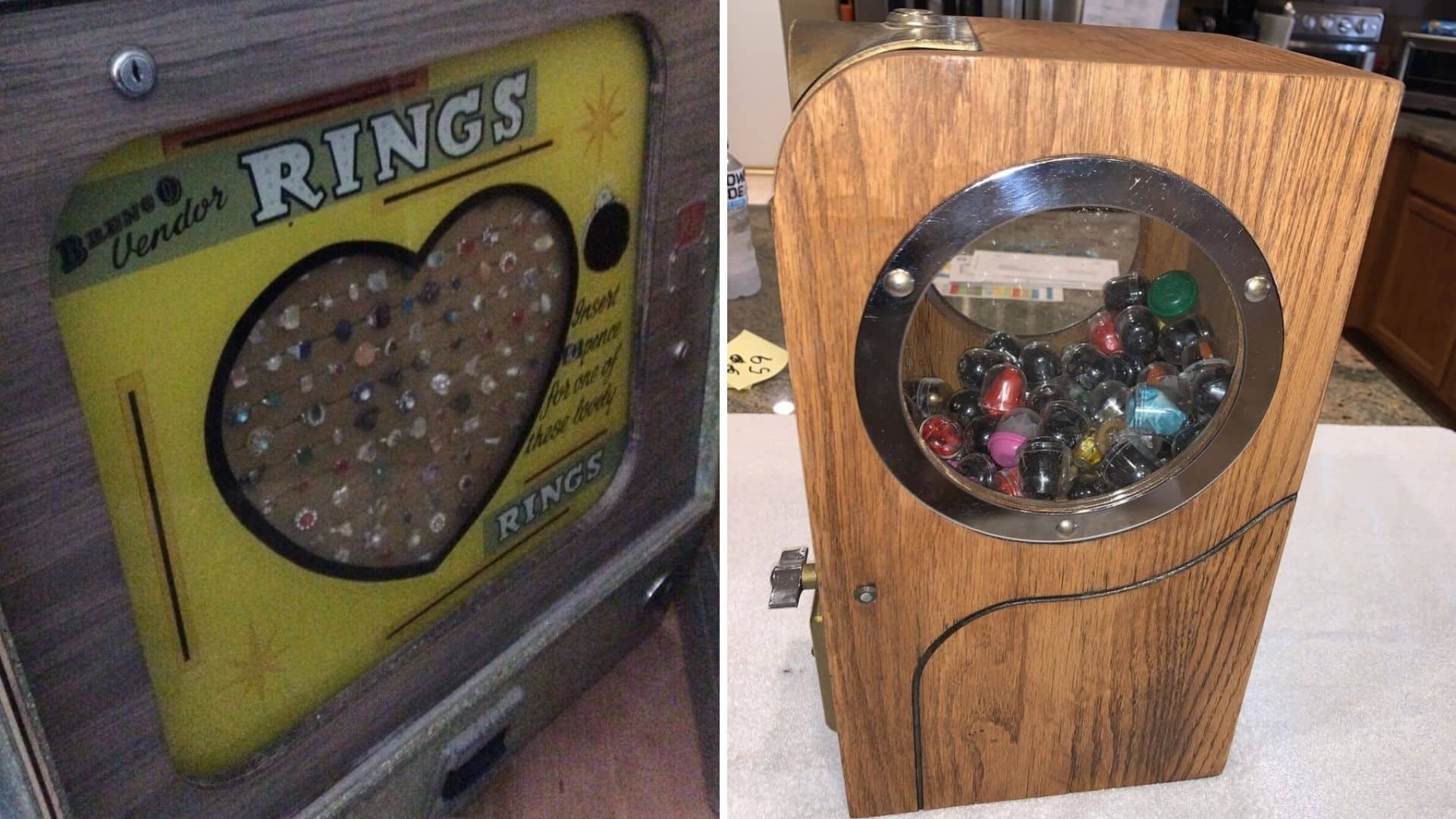
Jewelry may seem fundamentally incompatible with vending because the traditional buying experience emphasizes glass counters, salespeople, careful inspection, and security. That contrast is exactly what made automated jewelry sales such an attention-grabbing idea. During different periods of twentieth-century American retail, machines and coin-operated displays offered inexpensive rings, charms, necklaces, novelty jewelry, and other small accessories. Some occupied amusement arcades or public venues where jewelry functioned more like an impulse purchase than a major investment. Others blurred the boundary between vending and entertainment, allowing customers to receive a small decorative item from a machine much as children obtained toys or prizes from capsule dispensers. The products generally were not the expensive diamonds and fine watches associated with conventional jewelers, making security and pricing manageable. Even so, the basic transaction must have seemed wonderfully futuristic: insert money into a machine and receive something traditionally selected from a salesperson’s display case. Automated jewelry has periodically returned in more sophisticated forms, proving that the idea never completely disappeared. The old machines reveal the larger ambition behind this entire era of vending.