

Sitcoms are supposed to give us half an hour away from real life, yet audiences have never been particularly good at leaving fictional problems on the television set. Long before comment sections and social media, viewers argued through newspaper columns, letters, phone calls, boycotts, school meetings, and conversations around the dinner table. A character’s pregnancy could become national news. A breakup might remain unsettled for decades. Politicians occasionally joined debates that had begun in a writers’ room, while actors discovered that playing an unpleasant person could bring very real anger to their front door. There is something almost nostalgic about remembering a time when millions of people watched the same episode on the same night and discussed it the next morning. The shared experience was stronger, but so was the reaction. These storylines show what happened when audiences stopped treating a sitcom plot as merely a sitcom plot.
#1: Lucy’s Pregnancy Becomes National News
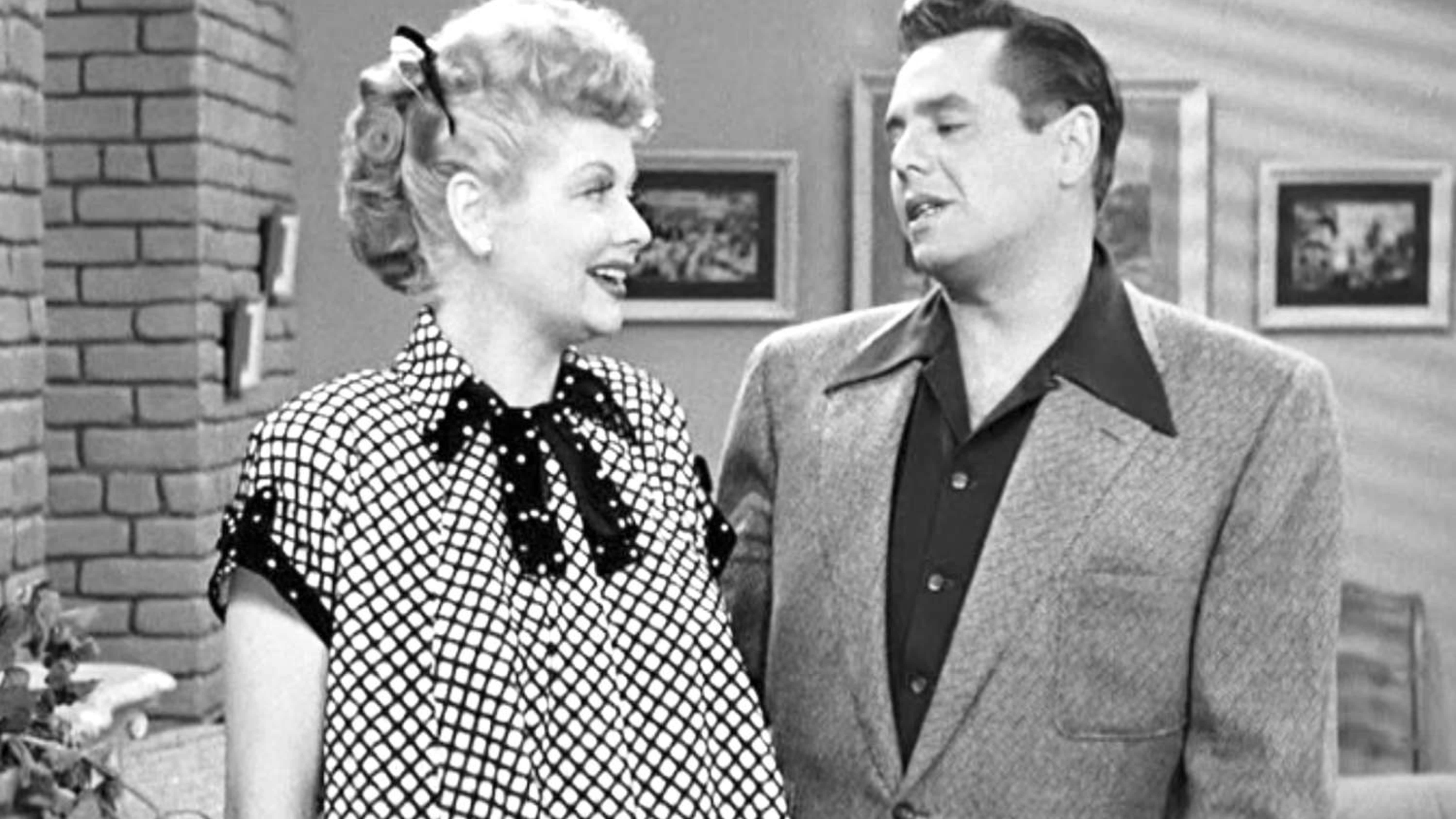
On I Love Lucy (1951), even saying that Lucy Ricardo was pregnant required negotiation. When Lucille Ball became pregnant with Desi Arnaz Jr., the obvious solution was to let her television character expect a baby too, but CBS and sponsor Philip Morris were initially uneasy about putting pregnancy into a prime-time comedy. The word “pregnant” itself was considered unsuitable, so the scripts relied on “expecting” and even the French enceinte.