

Castaway stories have always lived somewhere between history and legend, which makes the real ones even stranger. Sailors were abandoned by captains, expeditions disappeared, teenagers improvised island communities, and a few people deliberately traded civilization for solitude. Some accounts survive through diaries and records; others come from centuries-old narratives that historians treat cautiously. From Alexander Selkirk’s Pacific exile to Ada Blackjack’s Arctic ordeal, these stories reveal how ingenuity, luck, cooperation, and sheer stubbornness kept people alive against the odds.
#1: Alexander Selkirk — 4 Years, 4 Months
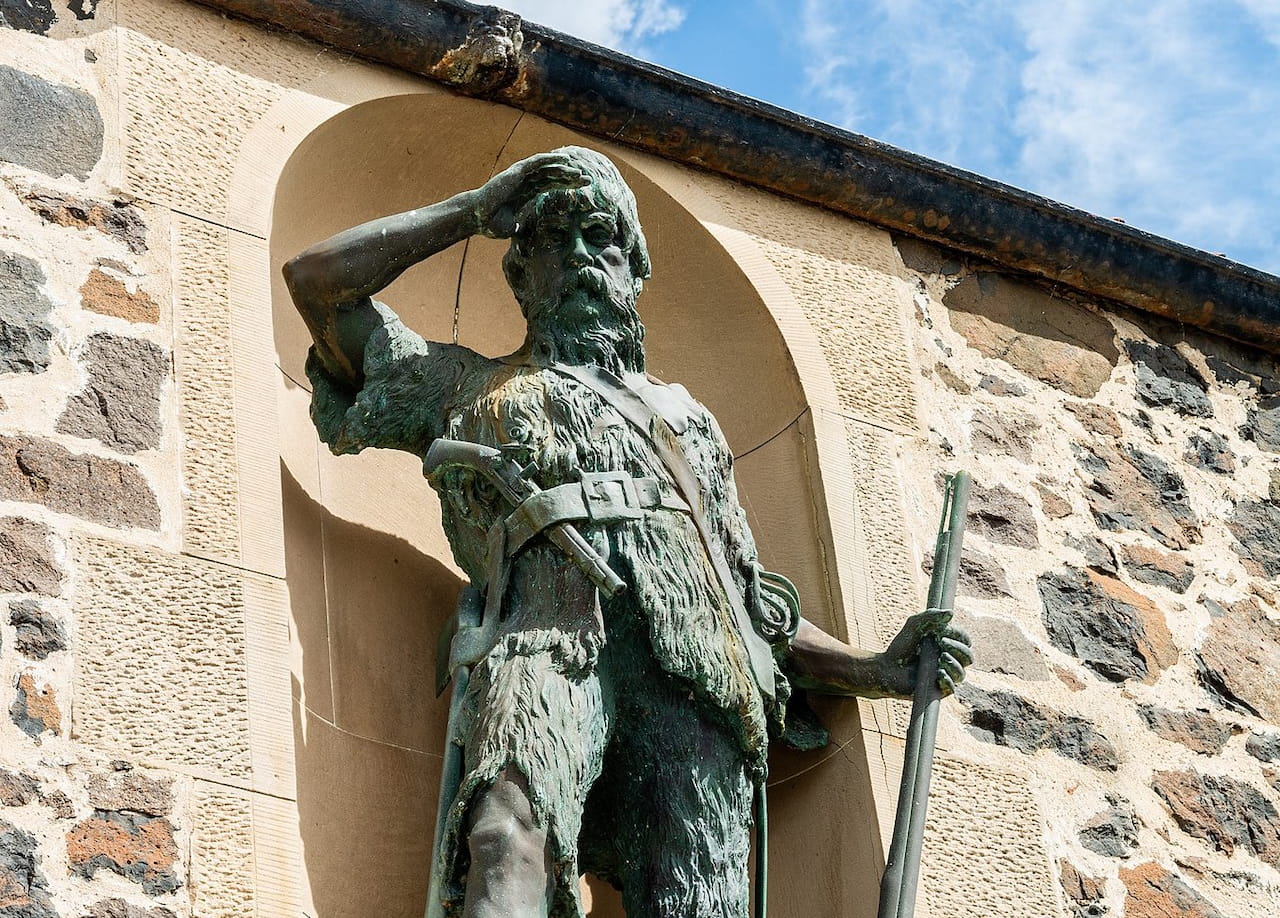
Alexander Selkirk spent four years and four months alone on Más a Tierra in the Juan Fernández Islands after clashing with his captain and choosing to remain ashore. He survived by hunting goats, gathering food, and adapting his routines to island life until Woodes Rogers rescued him in 1709. Selkirk is often called the inspiration for Robinson Crusoe, although historians stress that Daniel Defoe probably drew from several castaway narratives rather than one real-life model.