


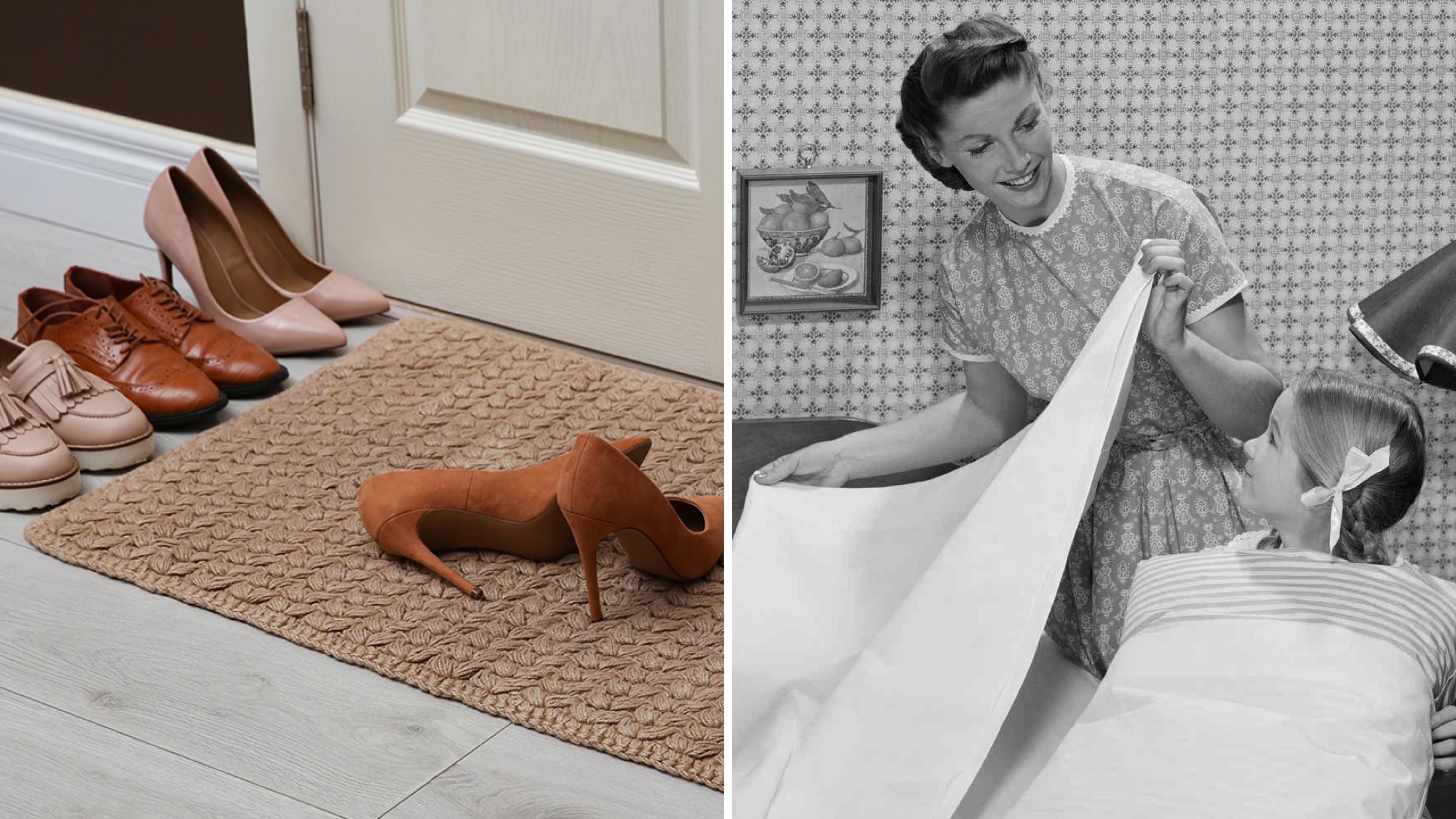
Staying in another person’s home has always come with a collection of unwritten rules. The interesting part is that those rules keep changing. A guest who learned manners when long-distance calls were expensive may arrive with a hostess gift and a handwritten note already in mind, while someone raised with group chats and food-delivery apps may show consideration in completely different ways. Neither approach automatically makes a person thoughtful or rude. Expectations simply grew out of different eras. Even tiny questions can reveal the divide: Should you strip the sheets before leaving? Is asking for the Wi-Fi password five minutes after arrival perfectly normal? Should your host know about dietary restrictions before you come, or is it your responsibility to manage them yourself? Put several generations under one roof for a weekend, and these differences become surprisingly visible. Here are some houseguest habits where age can influence what feels courteous, unnecessary, helpful, or just plain awkward.
#1: Arriving With a Host Gift
A bottle of wine, flowers, chocolates, or a little something from home once felt almost inseparable from an overnight invitation. For many Baby Boomers, arriving empty-handed can still create the uncomfortable feeling that a social step has been skipped. Gen X often recognizes the custom but may reserve it for longer visits, holidays, or hosts they do not see frequently. Younger adults are more likely to express gratitude in another form, perhaps paying for dinner, ordering breakfast, bringing coffee the next morning, or sending something afterward. That can produce a funny mismatch at the front door.