

“The book was different” can mean almost anything.
Maybe a character disappeared. Maybe the ending changed. Maybe hundreds of pages had to be squeezed into two hours. But every so often, Hollywood makes a stranger choice: it keeps the title, characters, and recognizable pieces of a book while changing the very idea that made the original matter. The result can still be entertaining—and in some cases become a celebrated movie in its own right—but reading the source afterward can feel like discovering an entirely different argument hiding beneath the same story.
So forget about missing scenes and minor character changes. Open the book beside the screen and see what happens when an adaptation changes not just the story, but what the story was trying to say.
#1: The Shining (1980) – The Shining by Stephen King
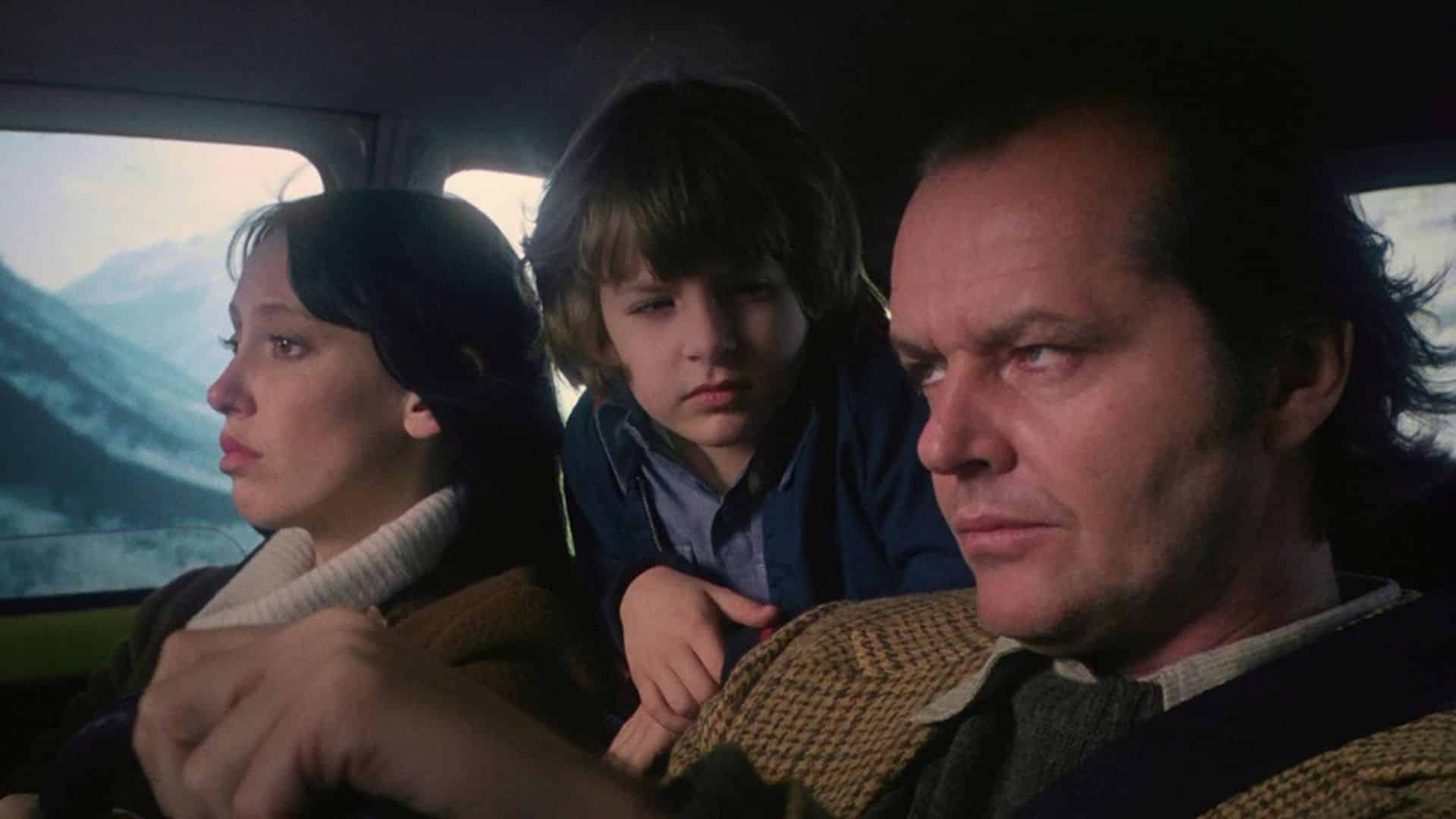
Stanley Kubrick’s The Shining became one of cinema’s enduring horror films, but Stephen King has spent decades explaining why he believes it fundamentally misunderstands his novel. King’s Jack Torrance is a deeply flawed recovering alcoholic whose love for his family makes his deterioration tragic. The Overlook Hotel gradually exploits his resentment, addiction, anger, and weaknesses until a man struggling to become better is overwhelmed by something supernatural. Kubrick’s Jack, by contrast, appears unstable almost immediately, with Jack Nicholson’s performance suggesting danger long before the hotel has fully tightened its grip. That shift changes the emotional center of the story. King wrote extensively about alcoholism, family violence, guilt, and the frightening possibility that a loving parent could become the thing his family fears. The novel even gives Jack a final moment of resistance against the hotel before his destruction, reinforcing the humanity still trapped inside him. Kubrick instead creates something colder and more ambiguous, while Wendy is also transformed from a more resourceful figure into a character King considered comparatively weak.