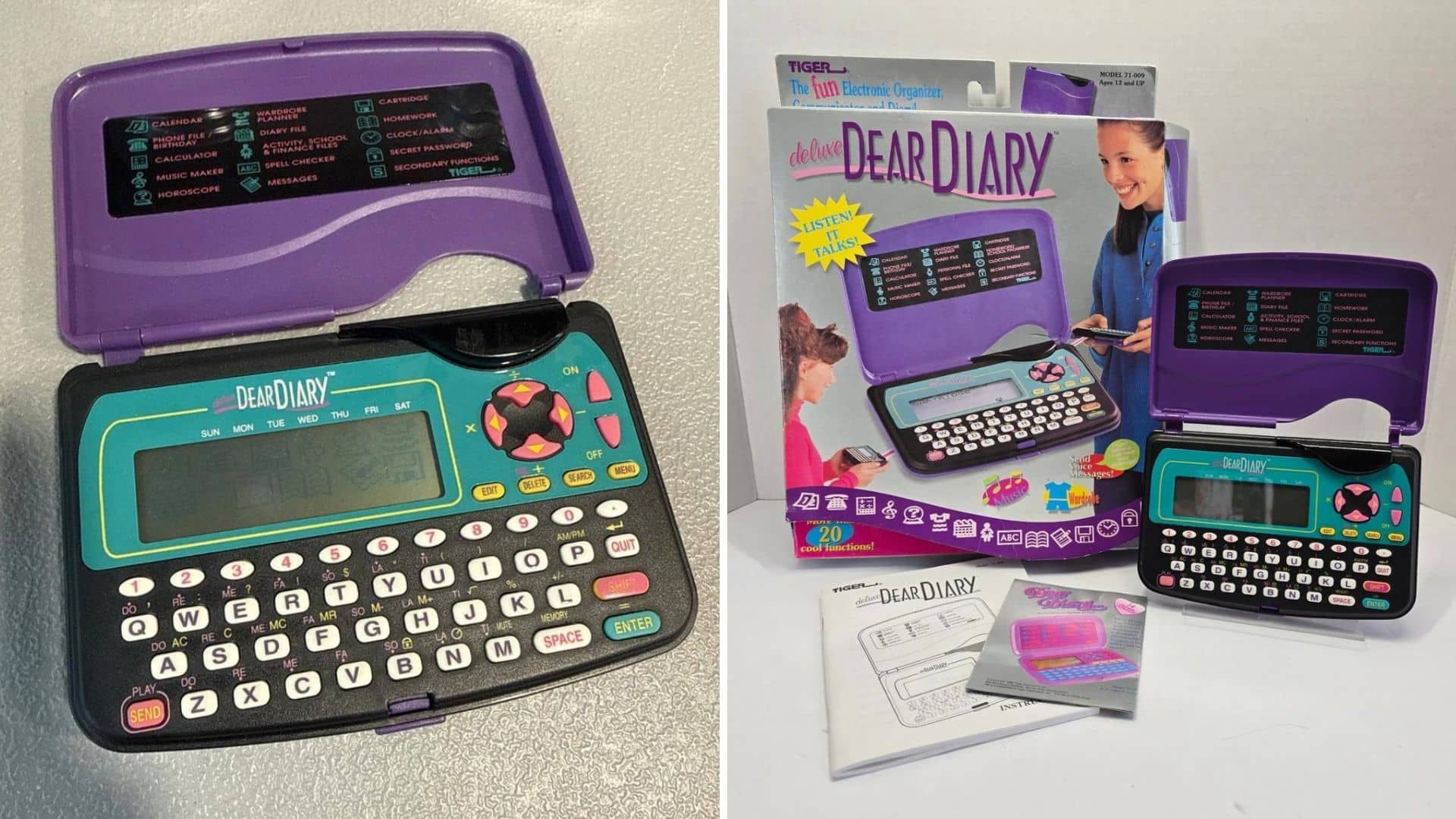


#20: Electronic Diaries Made Simple Locks Feel Like Serious Security
Electronic diaries promised something enormously appealing to younger users: a private digital space that siblings, parents, and curious friends supposedly could not enter. Many models reinforced that promise with password screens, tiny plastic locks, secret compartments, or electronic opening mechanisms that made the device feel far more secure than an ordinary notebook. In practice, the protection was often extremely basic. Simple passwords could be guessed, mechanical components could sometimes be bypassed, and the inexpensive plastic construction was hardly designed to withstand determined intrusion. None of that mattered much to the audience for whom these products were intended. Entering a secret code and hearing a lock click open created a convincing ritual of privacy, and that experience was arguably more important than genuine information security. Years before encrypted smartphones became personal vaults, electronic diaries showed how easily the feeling of technological protection could be created with remarkably simple hardware.