


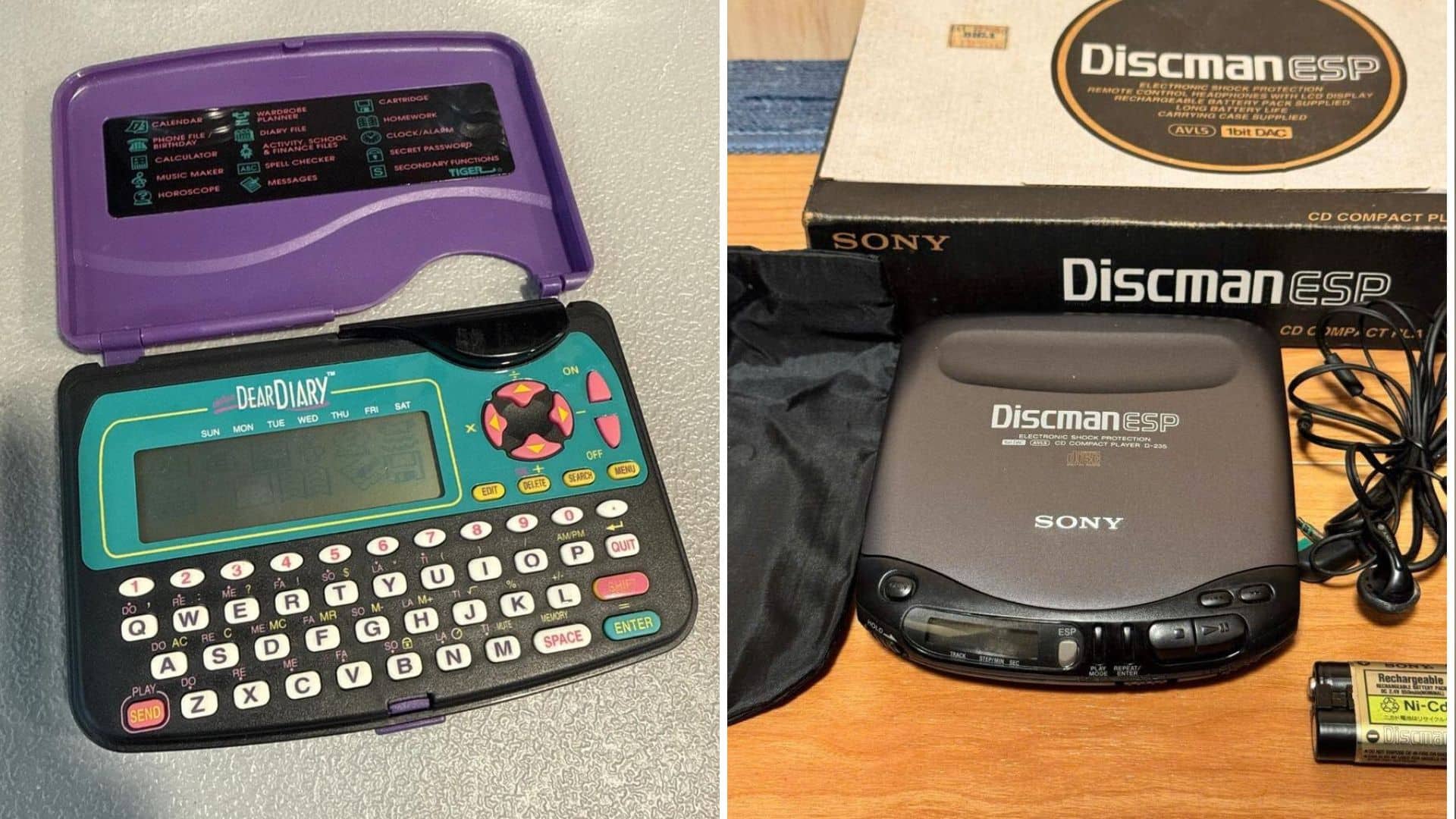
Before technology became almost invisible, using a gadget often meant watching, listening, and occasionally guessing what the machine was doing. Older devices had tiny processors, limited memory, primitive sensors, and displays that could communicate only a fraction of what modern screens show today. Yet designers became remarkably good at disguising those limitations. A carefully timed sound could make a machine seem responsive, a printed background could transform a handful of LCD shapes into an entire world, and a simple timer could convince children that a digital creature genuinely needed them. These weren’t necessarily attempts to deceive consumers; many were ingenious ways of making limited hardware easier, more engaging, and more believable to use. Keep reading to discover the surprisingly simple tricks hiding behind technologies that once seemed much smarter than they actually were.
#1: Tamagotchi Pets Created Personality With Little More Than Timers
For countless children in the 1990s, a Tamagotchi did not feel like a collection of pixels inside a plastic egg. It felt like a tiny creature with hunger, moods, sleeping habits, illnesses, and a personality that changed depending on how its owner treated it. Behind that convincing behavior, however, was nothing resembling the artificial intelligence people associate with virtual companions today. The device relied primarily on timers, counters, predefined states, and conditional responses triggered by the player’s actions. Ignore the pet for long enough and certain statistics would decline; respond appropriately and other values would improve. Because these events unfolded gradually rather than instantly, they mimicked the rhythms of caring for something alive. The real sophistication was psychological: simple programming was enough to make millions of users feel genuine responsibility for a digital pet.