

The produce aisle is a kind of family album with most of the names missing. A strawberry looks completely natural sitting beside a watermelon or an apple, so there is little reason to wonder who its relatives might be. However, many familiar foods carry surprisingly complicated family trees, shaped by gardeners, farmers, scientists, and the occasional lucky accident. Hybrid breeding is not the same thing as genetic engineering. In these cases, plants were crossed through pollination and traditional breeding, sometimes across varieties and sometimes between closely related species. A few combinations happened almost by accident once humans brought plants together that would never normally have met. Centuries later, their descendants are so ordinary that we toss them into shopping carts without giving their unusual ancestry a second thought.
#1: Garden strawberries came from two continents
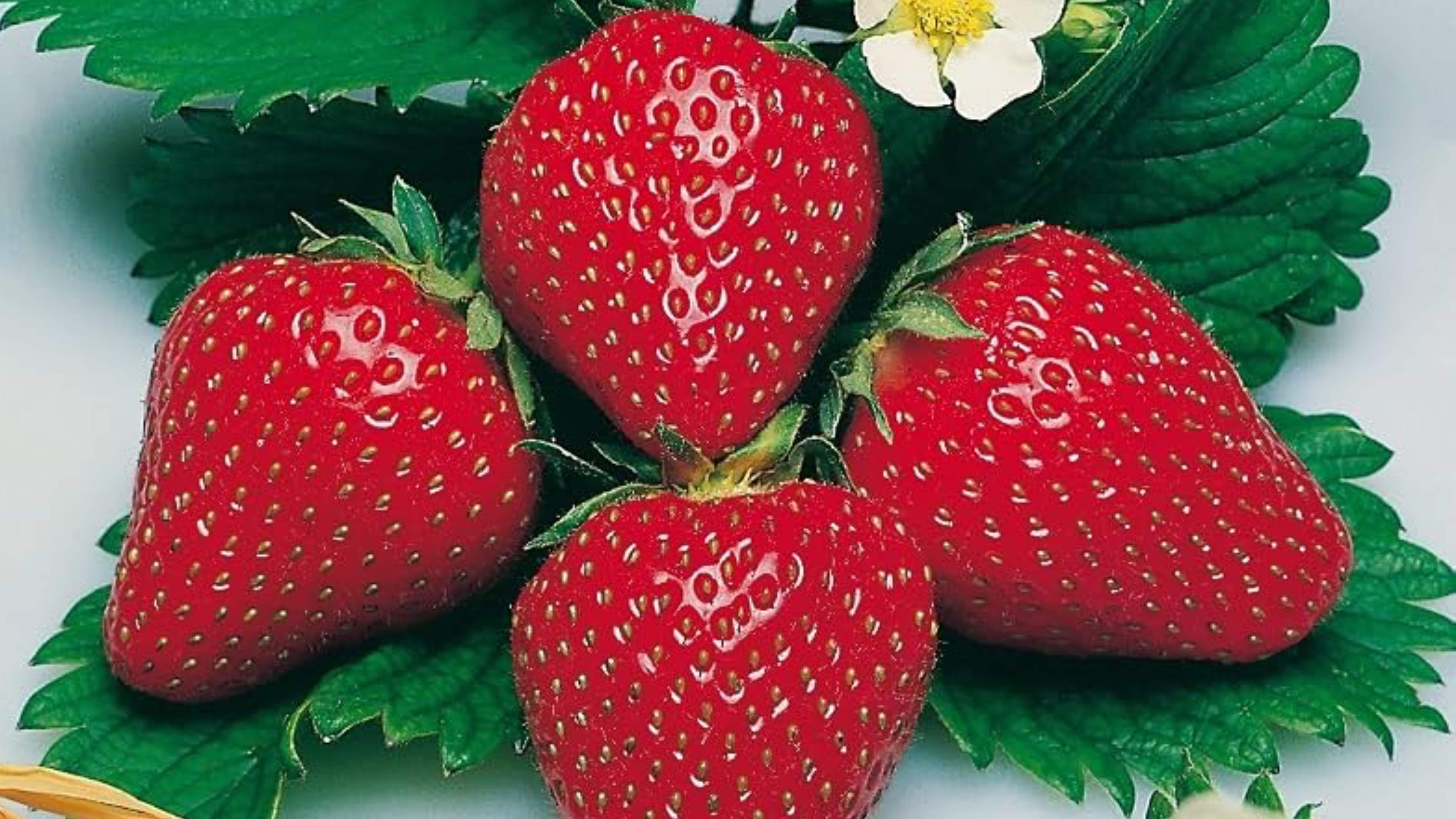
The strawberry most of us picture today did not simply grow wild in that familiar large, bright-red form. Its family story begins with plants separated by thousands of miles. Fragaria virginiana came from North America, while the larger-fruited Fragaria chiloensis arrived in Europe from the Americas after French explorer Amédée-François Frézier brought Chilean plants back in the early 1700s. Once the two species were growing close together in European gardens, they produced spontaneous hybrids.