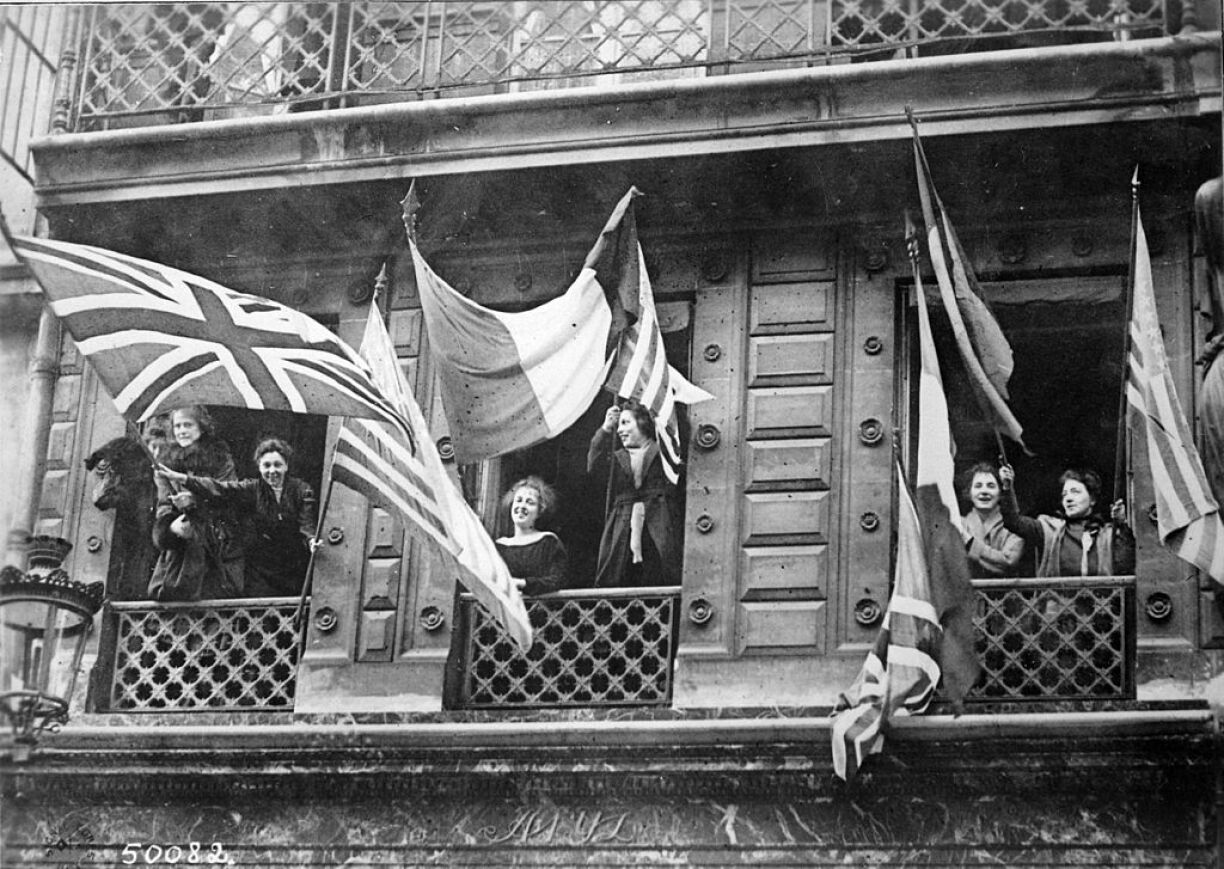


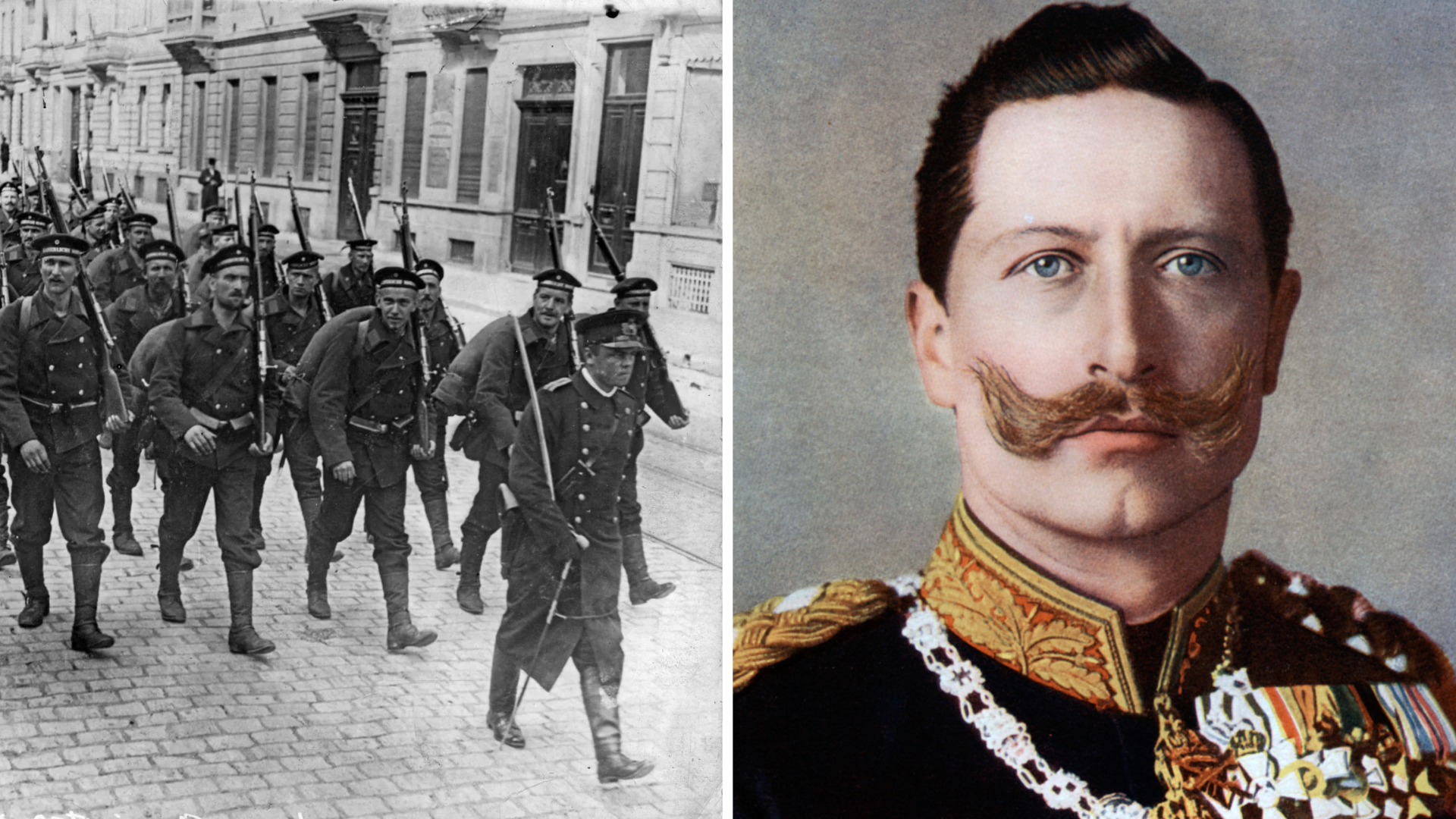
The First World War did not erupt from one assassination alone. During five tense weeks in 1914, European leaders turned a Balkan crisis into a continental catastrophe through calculated risks, military timetables, nationalist fears, and catastrophic misjudgments. Alliances mattered, but none made war automatic. These factors explain how governments repeatedly chose escalation while still believing opponents would retreat, allies would remain loyal, and any fighting would end quickly. Instead, diplomacy collapsed as mobilization schedules began dictating political decisions everywhere.
#1: Alliances Created Expectations, Not Automatic War
Europe’s alliances created expectations of support, but they were not automatic tripwires that mechanically caused war. Germany backed Austria-Hungary; France supported Russia; Britain had understandings with France and Russia without a binding obligation to fight. The danger came from leaders assuming allies would mobilize and enemies would coordinate. Each government feared abandonment as much as attack, encouraging firmness. A local quarrel therefore arrived inside a diplomatic system already trained to interpret hesitation as strategic weakness.