

Language rarely announces when it changes. A new expression slips into a conversation, gets repeated at school or work, turns up at the dinner table, and eventually feels as though people have been saying it forever. Movies and television have been surprisingly good at speeding up that process. A writer invents a strange greeting for an alien, an actor improvises a remark on a difficult film set, or a sitcom character gives a familiar social problem a name nobody had thought to use before. Then millions of viewers hear it at once. For anyone who grew up during the great age of network television, Saturday matinees, VHS tapes, and heavily repeated cable movies, several of these phrases may bring back the voice before the scene itself. What sounds like everyday English today can sometimes be traced to one remarkably specific moment on a screen.
#1: “Cowabunga!”
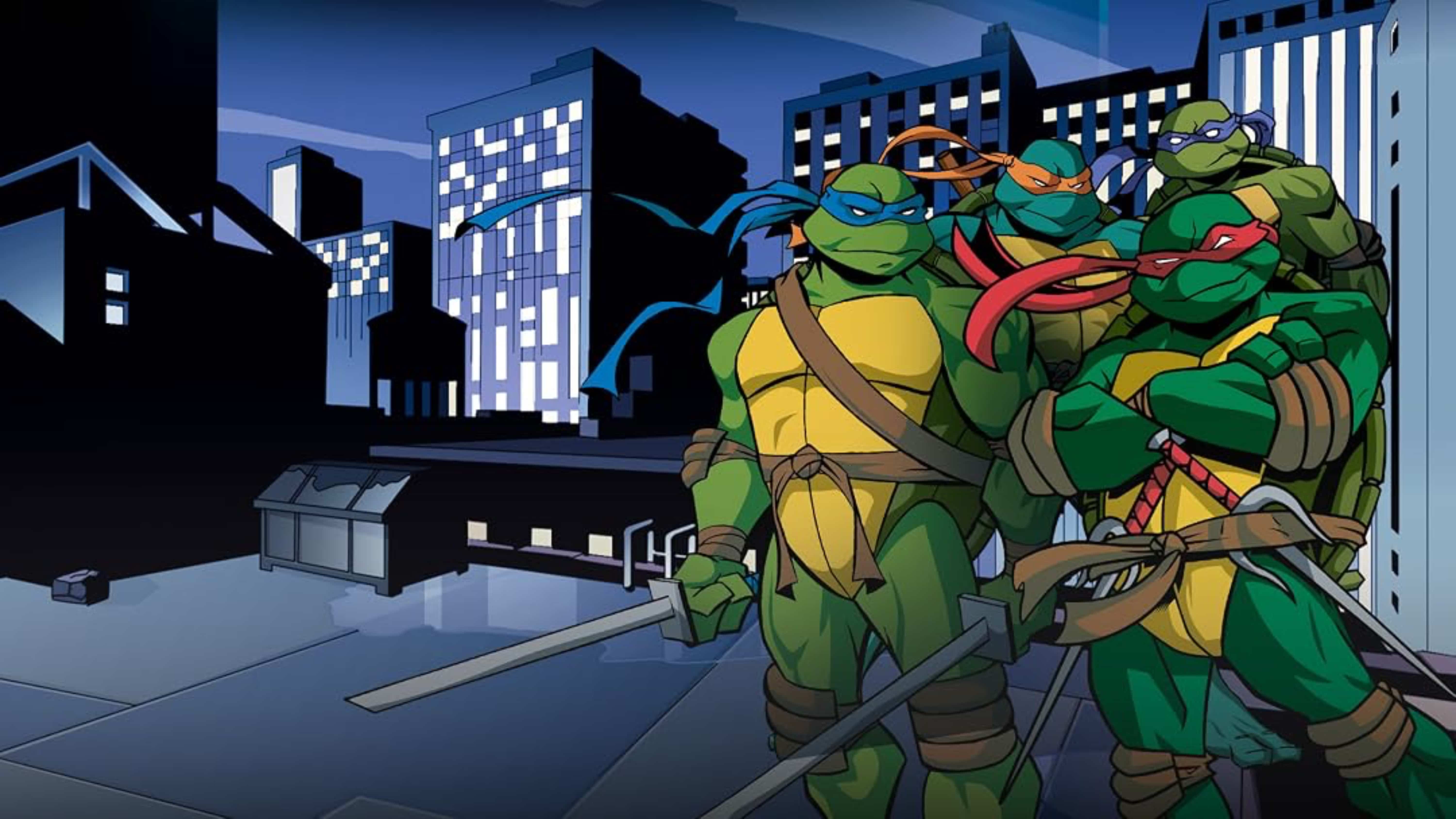
In the cheerful chaos of Howdy Doody (1947), writer Eddie Kean needed Chief Thunderthud to have language of his own. One of his inventions was an odd exclamation originally rendered with spellings such as “Kowabonga,” a made-up word rather than a traditional expression borrowed from another language. Kids watching the early NBC program quickly adopted it outside the show, which gave the nonsense syllables a future Kean could hardly have planned. By the 1960s, surfers were using a modified version as a cry of excitement, moving it from children’s television to beaches and surf culture. Another generation then encountered it through the Teenage Mutant Ninja Turtles, by which point almost nobody associated it with Buffalo Bob or the earliest days of American TV.