

#20: Conspiracy culture related to elections
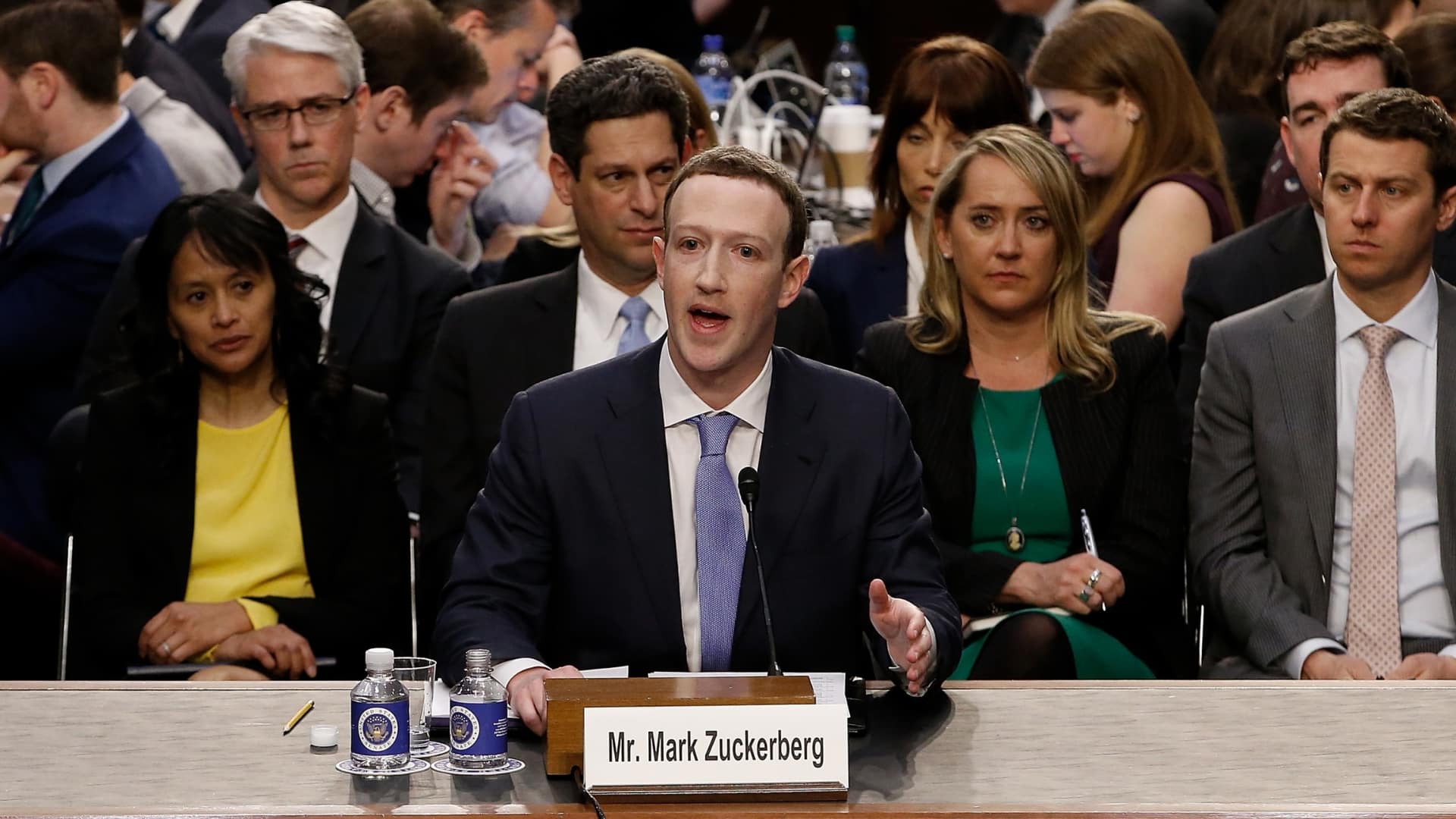
Election-related conspiracy culture is not new in the United States, though its tools have changed. Americans have argued about ballots, machines, party bosses, fraud claims, foreign influence, and political manipulation across many eras. The healthier way to discuss conspiracy culture related to elections is broadly, historically, and without treating suspicion as proof. In the 20th century, mistrust often focused on local political machines or disputed vote counting. In the 21st century, the internet made rumors travel faster, while social media platforms made it easier for people to live inside separate versions of the same event. Cambridge Analytica became a major modern example after reports revealed how political data, Facebook information, and targeted messaging were used in campaigns, raising concerns about privacy, voter influence, and digital manipulation.