

For generations, comics have been treated as harmless entertainment, best suited to Sunday mornings and dr*gstore spinner racks. But some creators clearly missed the memo. They used colorful panels and flamboyant characters to question authority, challenge social norms, and tackle subjects many readers considered completely out of bounds. Naturally, outrage followed. Parents complained, censors intervened, and critics wondered whether comics had any business dealing with serious or controversial ideas. Yet those disputes expanded the medium, proving comics were more than caped heroes and tidy moral lessons. Curious which titles caused such a fuss? Keep reading to revisit the comics once branded outrageous, dangerous, or simply unfit for polite society.
#21: Hogan’s Alley (1895)
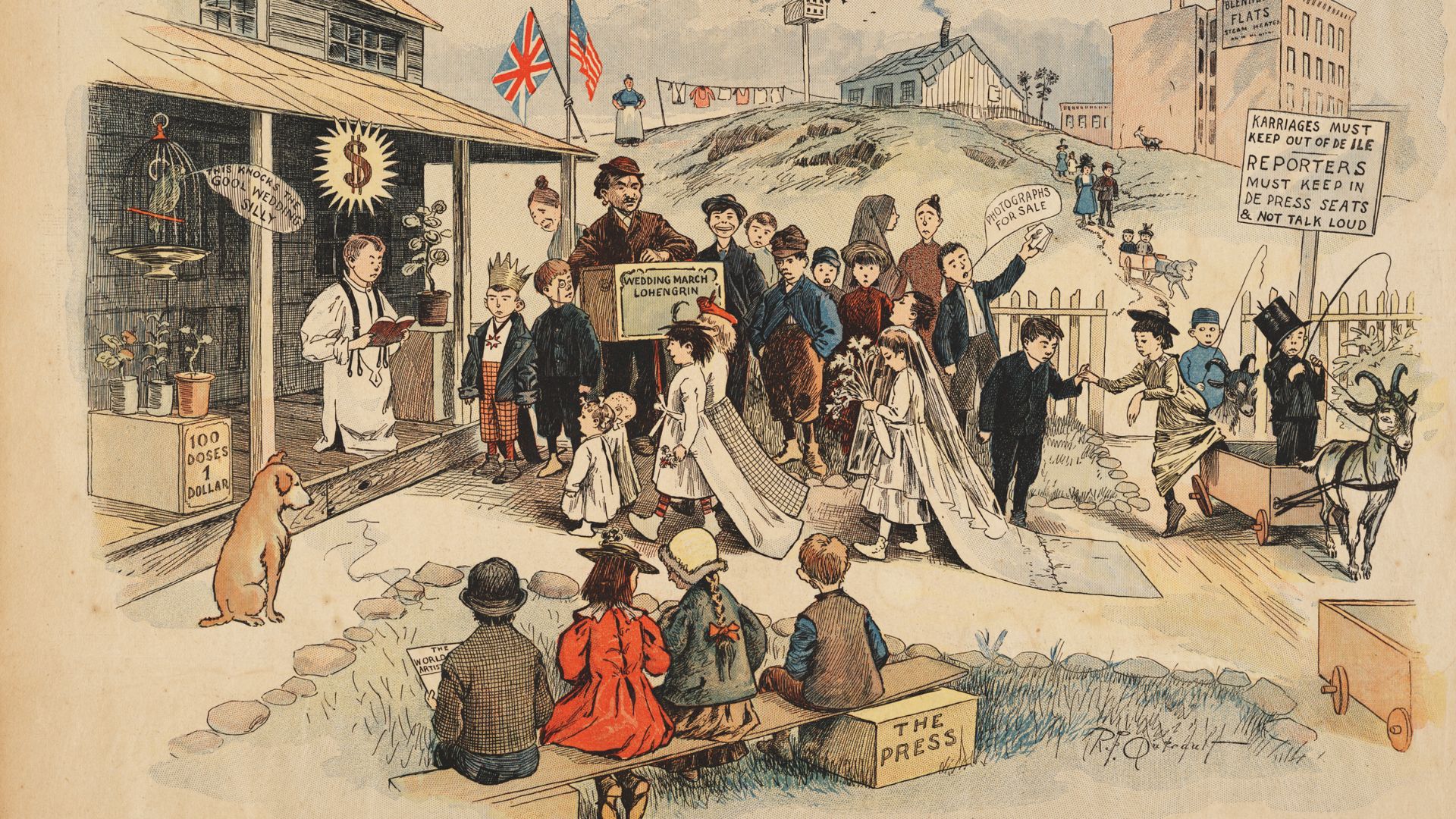
Way back in 1895, Richard F. Outcault’s comic strip Hogan’s Alley landed in the pages of the New York World. It showed life in a messy New York tenement, full of slang and satire about city living. The star was a gap-toothed boy in a yellow nightshirt known as the Yellow Kid. He became a national sensation. While the content of Hogan’s Alley seems tame today, its massive popularity fueled a bitter circulation war between newspaper giants Joseph Pulitzer and William Randolph Hearst. The comic itself wasn’t unethical, but it showed for the first time that cartoons could be a valuable weapon in the fight for readers’ attention.