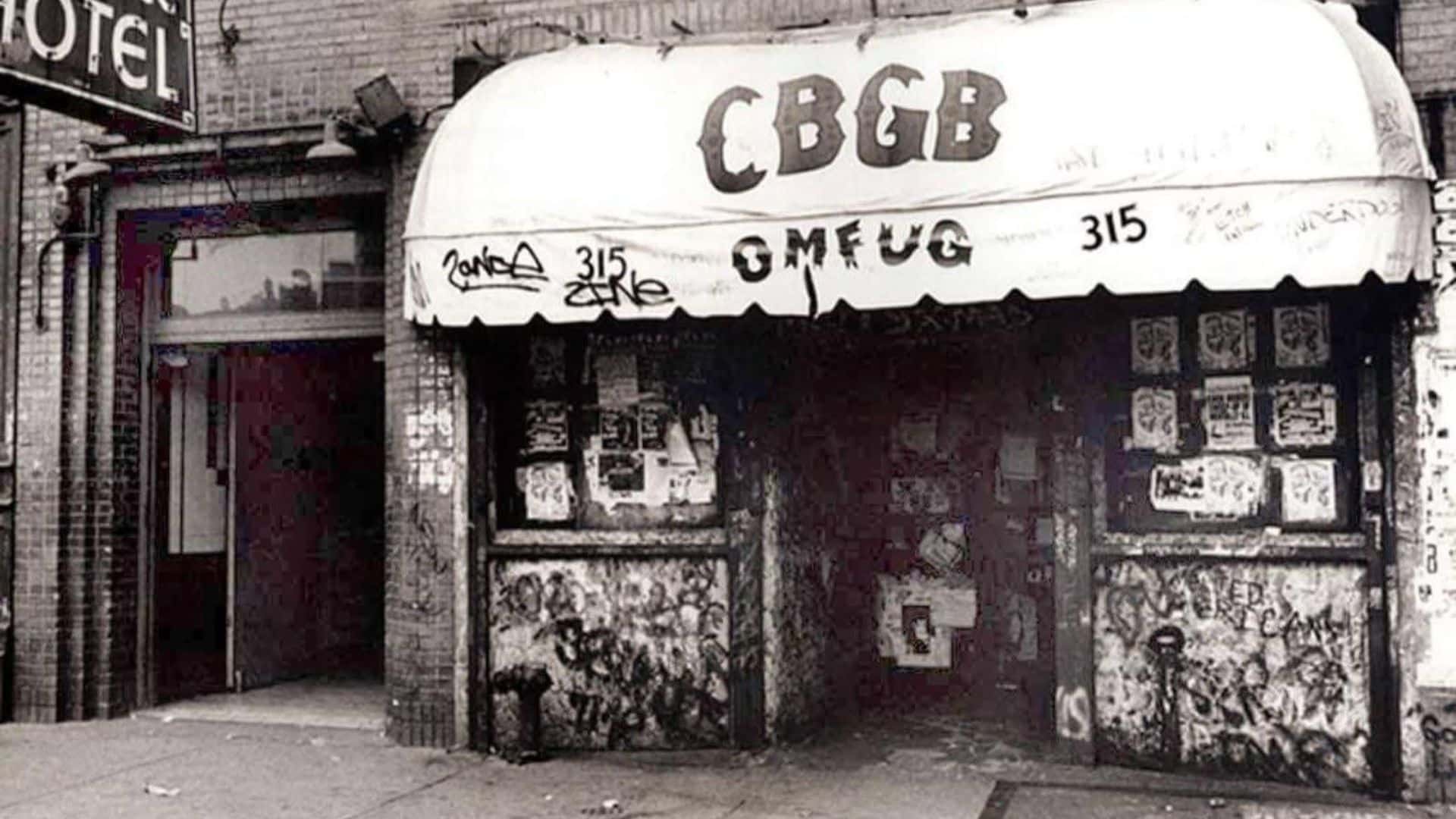


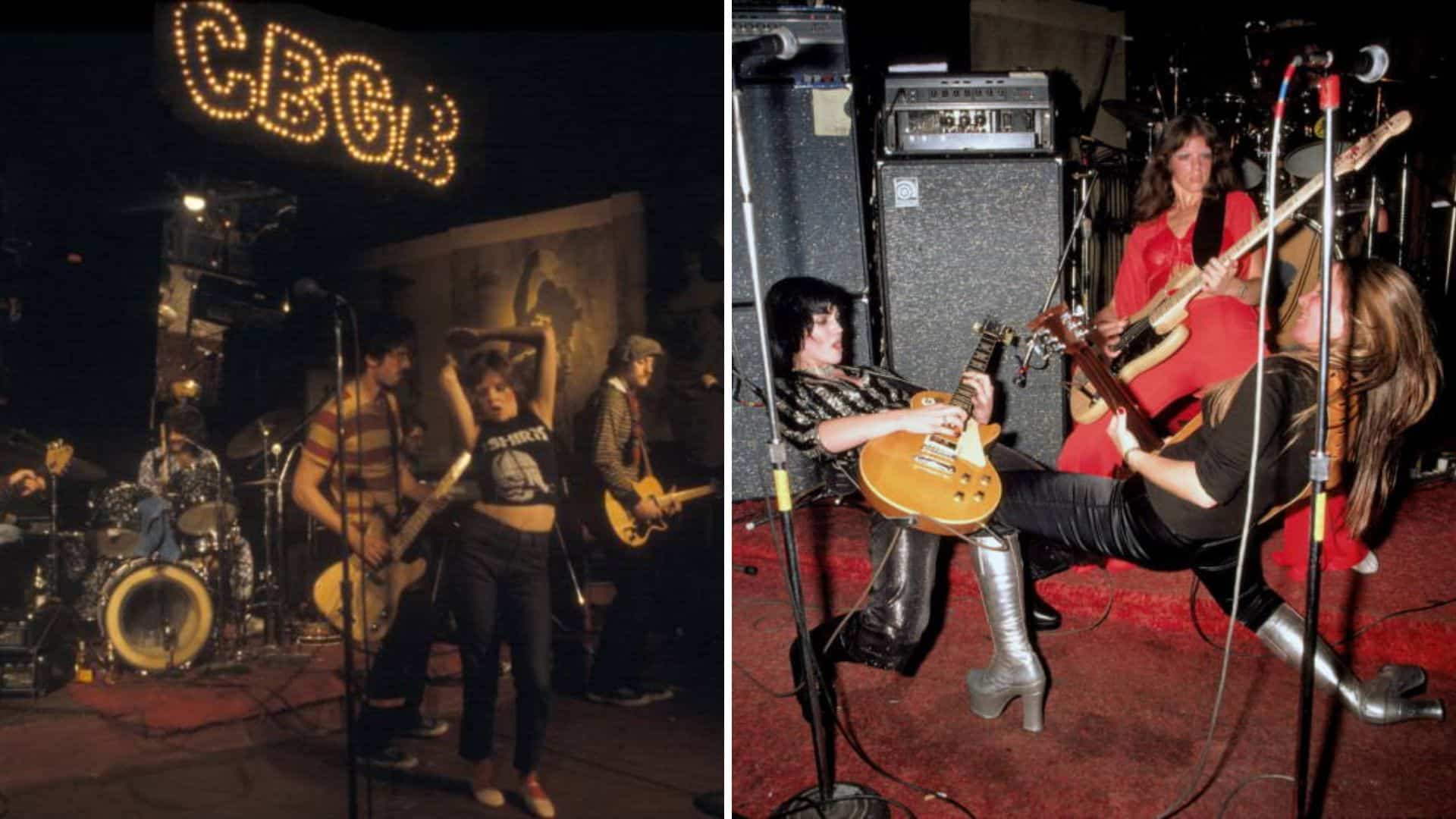
In 1973, Hilly Kristal opened CBGB on Manhattan’s Bowery with a simple plan: showcase country, bluegrass, and blues. However, the club had other ideas. With its cavernous rooms, graffiti-covered walls, greasy floors, and general refusal to look respectable, CBGB soon became the headquarters of American punk rock and new wave. The Ramones, Patti Smith, Talking Heads, and countless other artists found a home in its beautifully rough-around-the-edges chaos, helping turn a rundown Bowery venue into one of music’s most talked-about stages. And while the club’s story is usually told through the bands who played there, its backstage world had plenty of stories of its own. Ready to see what CBGB looked like behind the scenes?
#1: The Birth of a Bowery Landmark
Founded in December 1973 by Hilly Kristal, CBGB originally stood for Country, Bluegrass, and Blues. Located at 315 Bowery in Manhattan’s Lower East Side, the club quickly shifted focus when local underground rock acts needed a venue. Kristal’s policy of booking artists who performed original material transformed the unassuming storefront into a launching pad for groundbreaking musicians who defined American punk and new wave.