

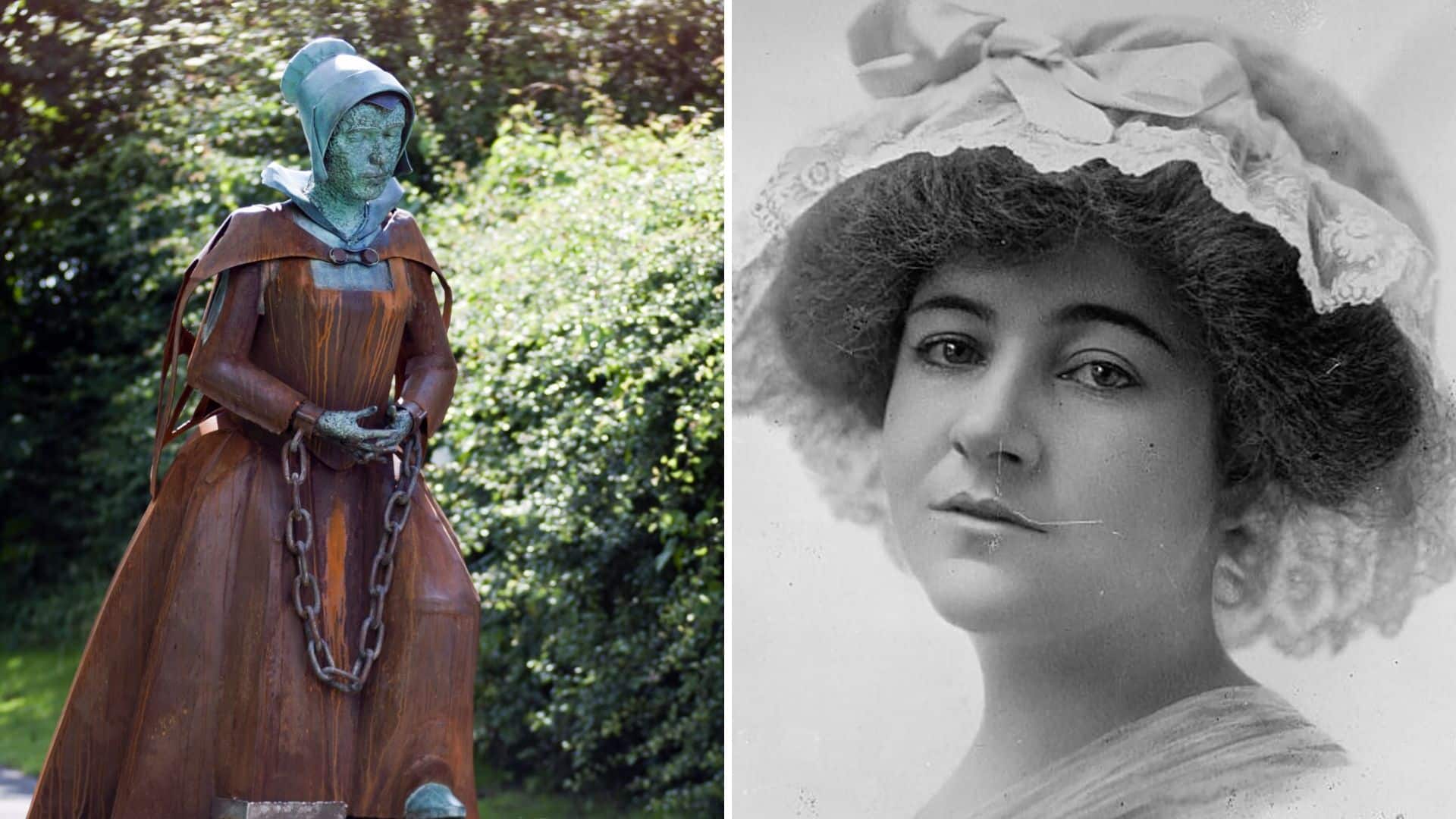
Today, the word “witch” often means Halloween costumes and pointy hats. For centuries, though, it was a deadly accusation. Labeling someone a “witch” could be a political tool, a way to settle neighborhood grudges, or a means of targeting anyone who seemed different. So, stories about witch hunts extend far beyond Salem. They stretch across centuries and social classes, from queens in their castles to farmers in their fields. These are the real people caught up in some of history’s most terrifying panics. With spooky season just around the corner, it’s worth revisiting these alleged sorcerers and asking whether they were real witches or simply people who were ahead of their time. Keep reading to meet them, and share your thoughts in the comments: were these people truly believed to be witches, or were they simply victims of their time?
#1: Joan of Navarre (c. 1370 – 1437)
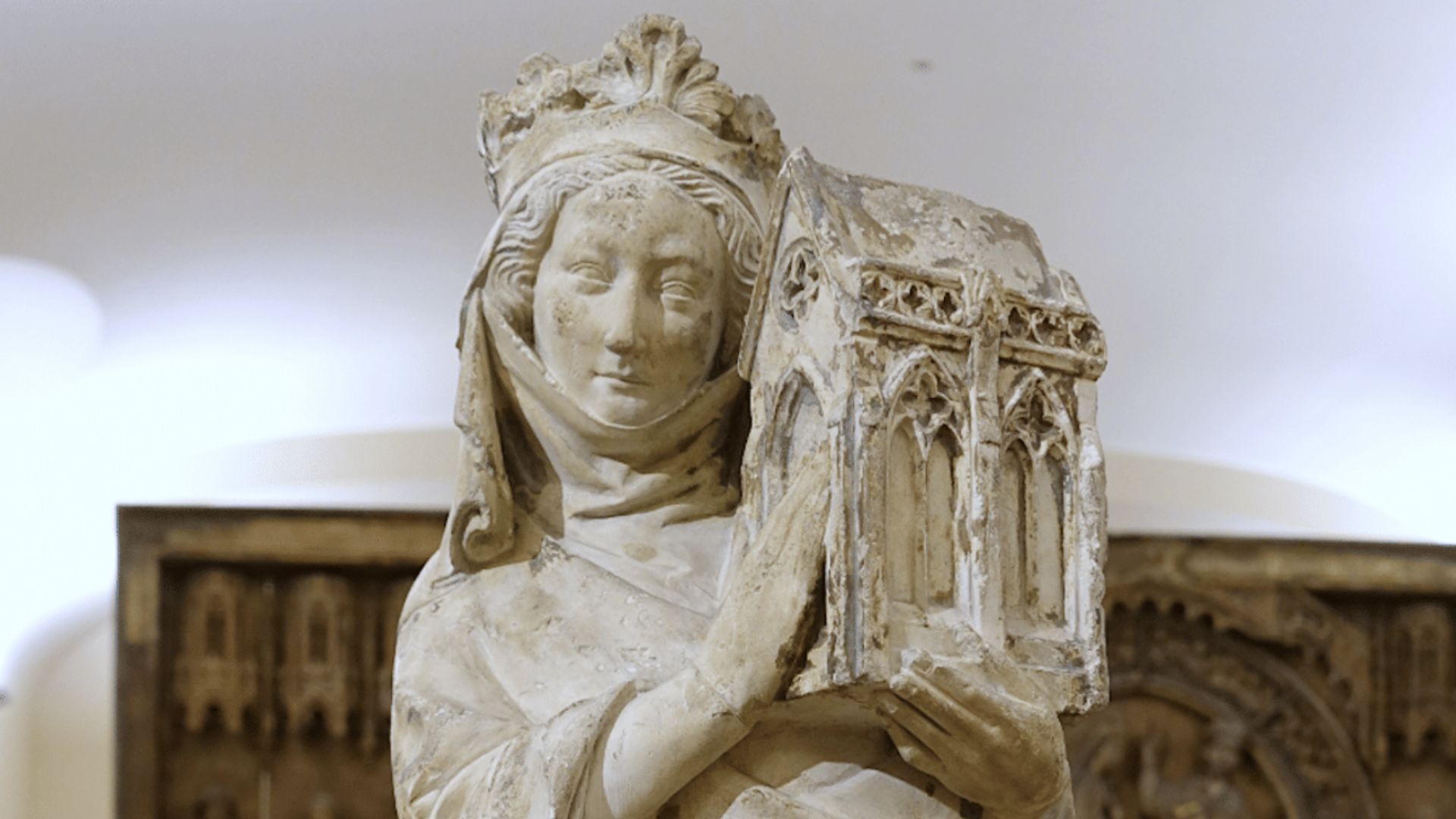
Even queens were not safe from witchcraft accusations. Joan of Navarre was England’s dowager queen, widow of King Henry IV. In 1419, her own stepson, King Henry V, ordered her arrest. The charge came from her confessor, who claimed she used sorcerers to try to kill the king. Joan was locked up at Havering and stripped of her property and income. She was never formally prosecuted for sorcery, however. After three years, authorities released her in 1422.